
Diving Sangalaki
Diving Sangalaki brings you to a very special island, where reef life and a real turtle sanctuary are part of the same experience. For me, seeing the tiny turtles here is one of the joys of our Borneo trips.
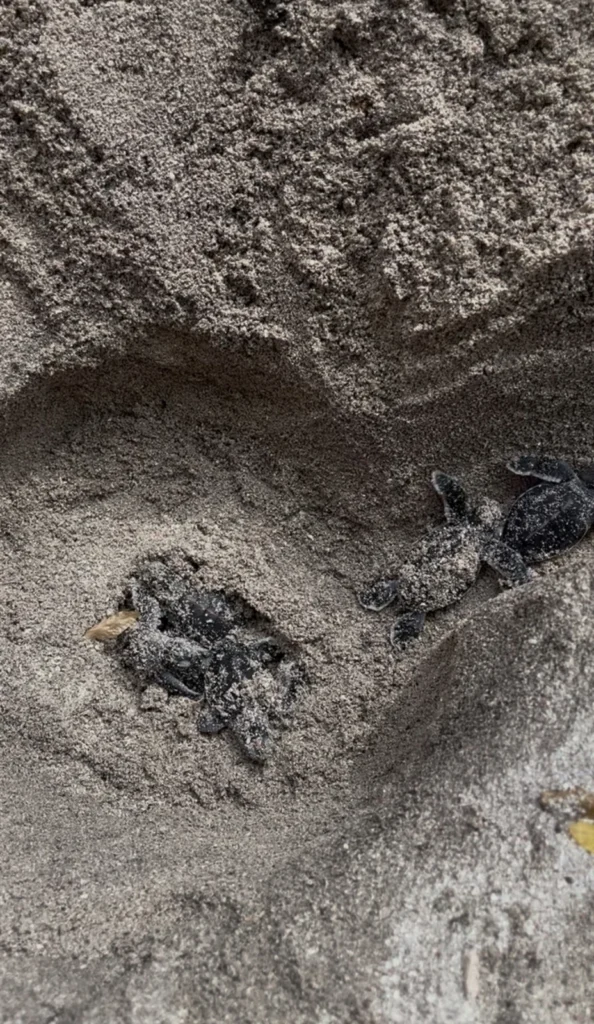
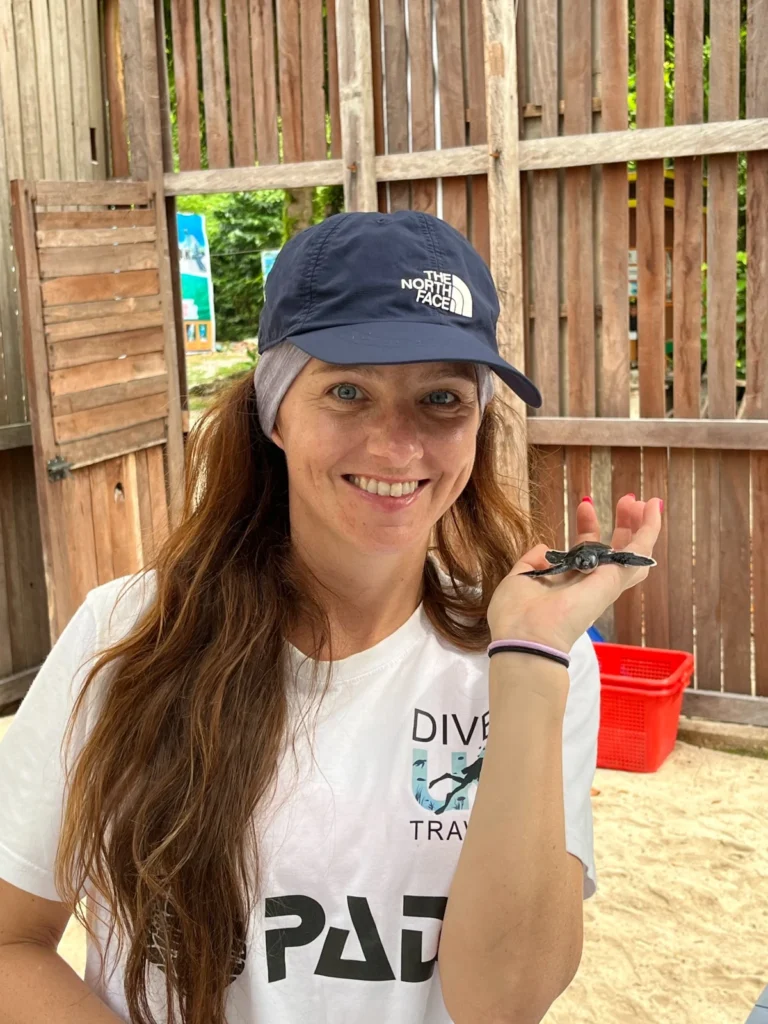
We have seen hatchlings on every trip so far. There are hundreds of nests, so from our experience the chances of seeing baby turtles are very high. It is a wonderful opportunity to see their lives beginning and learn about the people protecting them.
Our photographs are from our 2025 visit with our divers. They show the island, the hatchlings and the moments we shared together.
Explore the turtle sanctuary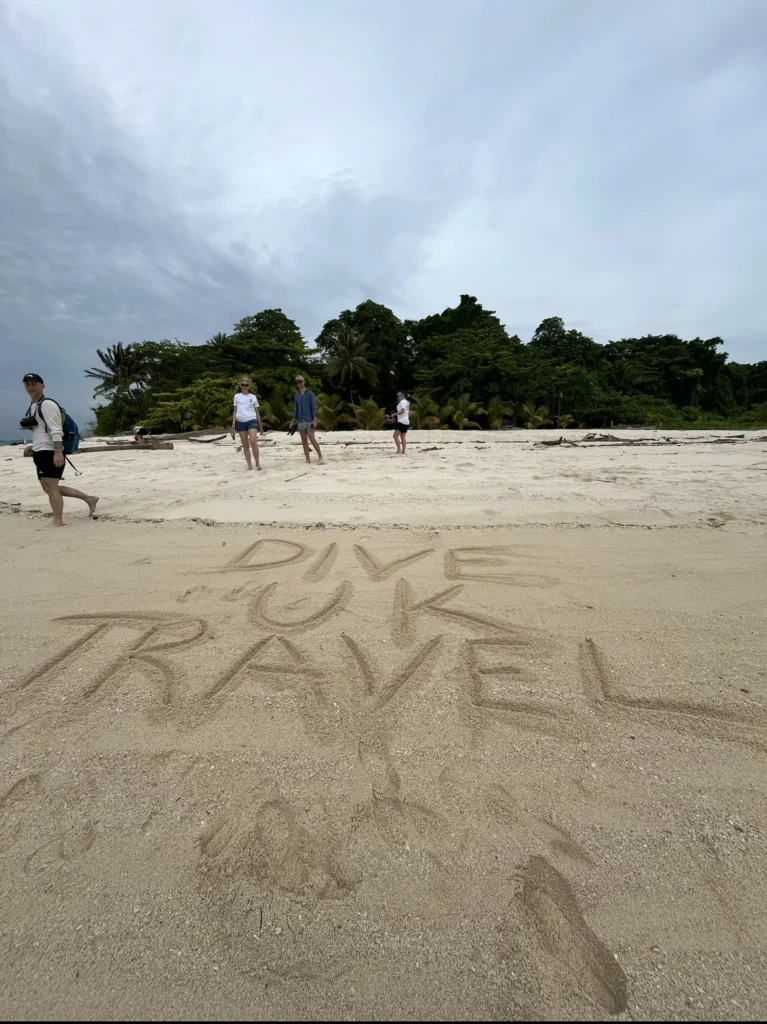
- The setting
- A quiet island in Borneo’s Derawan Islands
- A special highlight
- Turtle hatchlings and real conservation work
- Our experience
- Hatchlings seen on every trip so far
Sangalaki diving and the turtle sanctuary
Sangalaki feels secluded, with a broad sandy beach and trees behind it. What makes the island so special to me is the work taking place here. This is a real nesting island, where turtles come ashore to lay their eggs.
The government conservation team and sanctuary workers look after this important habitat. After a female has laid her eggs and returned to the sea, staff can move eggs to a protected sandy hatchery area.
That protection matters because eggs and tiny turtles face predators, including monitor lizards. The team watches over the nests, then manages the hatchlings’ return to the ocean.
For our guests, the visit connects the turtles we love seeing in the water with the start of their lives on land. You can learn about the work behind each nest and see why this place deserves our care.
Seeing hatchlings on a Sangalaki diving holiday
Hundreds of nests
The number of nests is remarkable. There are hundreds, which helps explain why we have had such good experiences here. Seeing the scale of the nesting activity makes the island’s importance feel very real.
Our experience on every trip
We have seen turtles hatch on every trip so far. As a result, I feel very positive about the chance of sharing this with you. Nature still decides the timing, so a particular hatching or release cannot be promised.
More than a photograph
Watching a tiny turtle emerge is a moment to treasure. However, the visit is also a chance to understand the nests, meet the people caring for them and learn how the conservation project works.
All five photographs on this page are ours, taken during our 2025 trip to Sangalaki.
Reef diving around Sangalaki
Diving Sangalaki also gives us a chance to explore the reefs around the island. Coral and reef fish add another side to the day, while manta rays are among the animals people hope to encounter here.
We choose the diving around the sea conditions and the group. If mantas are present, the guides help us decide how best to watch them. Sometimes a surface encounter may suit the conditions better than a scuba dive.
Meanwhile, the reef itself is worth enjoying at its own pace. Look closely, keep your buoyancy steady and leave space between your fins and the coral. We never touch coral or kneel on the seabed.
The visit ashore brings something different to the holiday. Together, the reef and the sanctuary show how closely life in the ocean connects with this small island.
Our Sangalaki visit: enjoy it and support the work
I want you to enjoy the sanctuary as much as we have. The photographs from 2025 capture how special it felt to share the visit with our divers. Even the short walk across the beach becomes part of the memory.
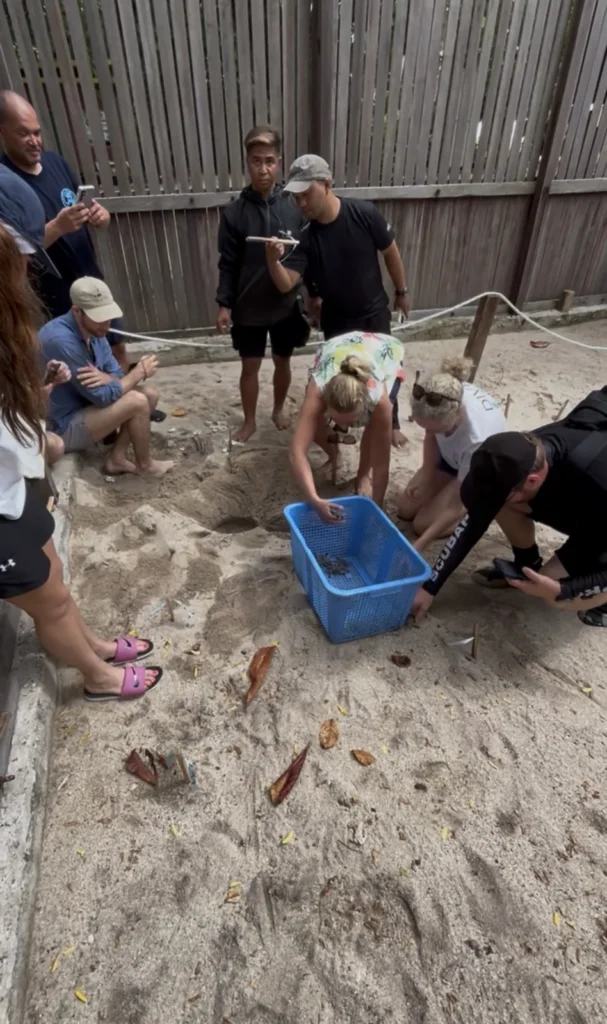
When the nests hatch, we help pick up the hatchlings and place them in baskets, following the sanctuary team’s guidance. It is a special chance to help with the work and see these tiny turtles up close. Throughout, their care comes first.
If you would like to help the project, tell us when we plan your holiday. We can ask the team about suitable ways to support their current work. The team can explain what help is useful during our visit.
Above all, come with curiosity. Understanding what happens between a turtle laying its eggs and the hatchlings reaching the sea makes this much more than a beach stop.
Diving Sangalaki as part of your Borneo holiday
Our Borneo holidays bring Sangalaki together with Maratua and Kakaban. Each island adds a different experience, from the diving around our Maratua base to the time we spend exploring the other islands.
We stay on our own private-island resort in Maratua’s lagoon and plan the island visits as part of the trip. If turtle conservation is one of your main reasons for coming, tell me. We can discuss how it fits with the diving and the other experiences you would love to have.
Diving Maratua
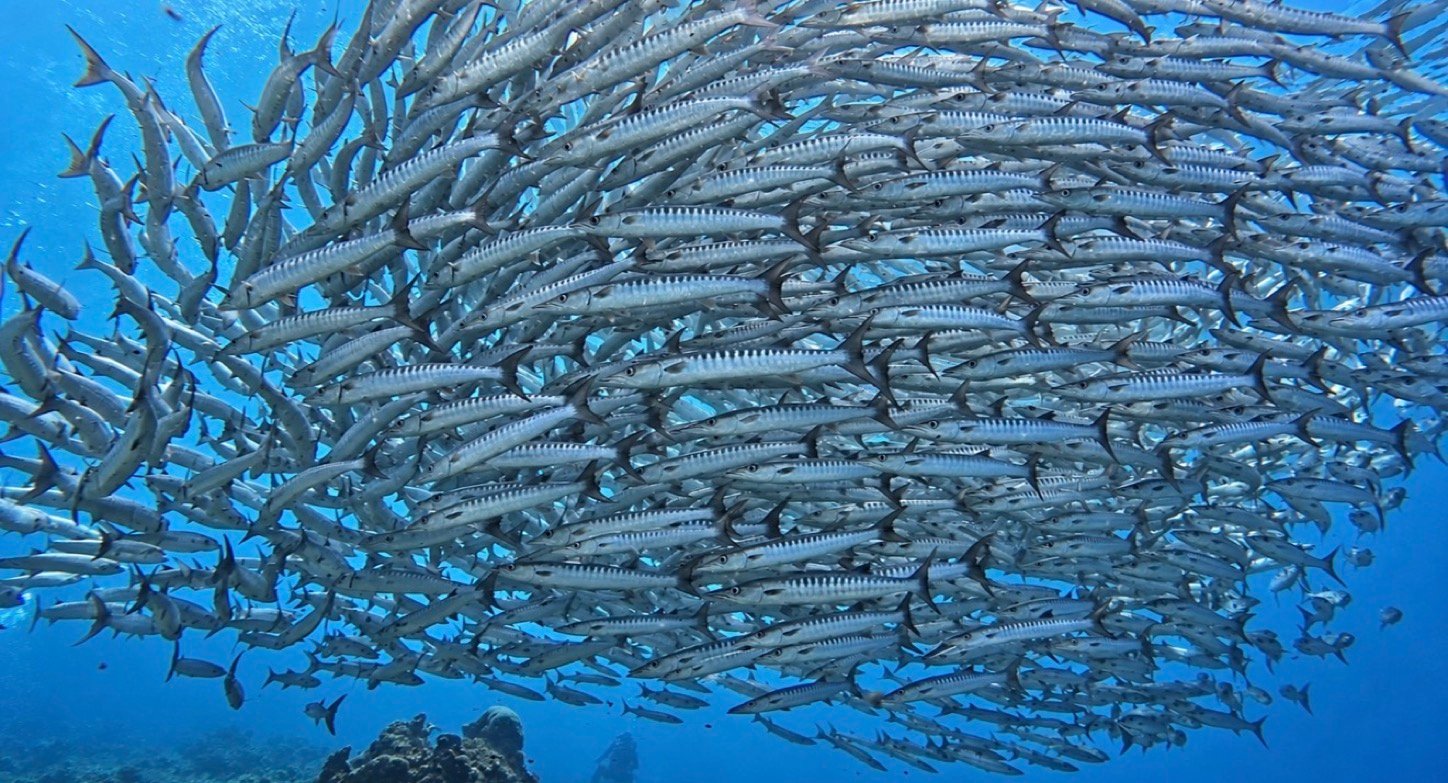
Turtles, beautiful reef diving and the spectacular barracuda tornado make Maratua a highlight of the holiday. It is also home to our island base.
Explore Maratua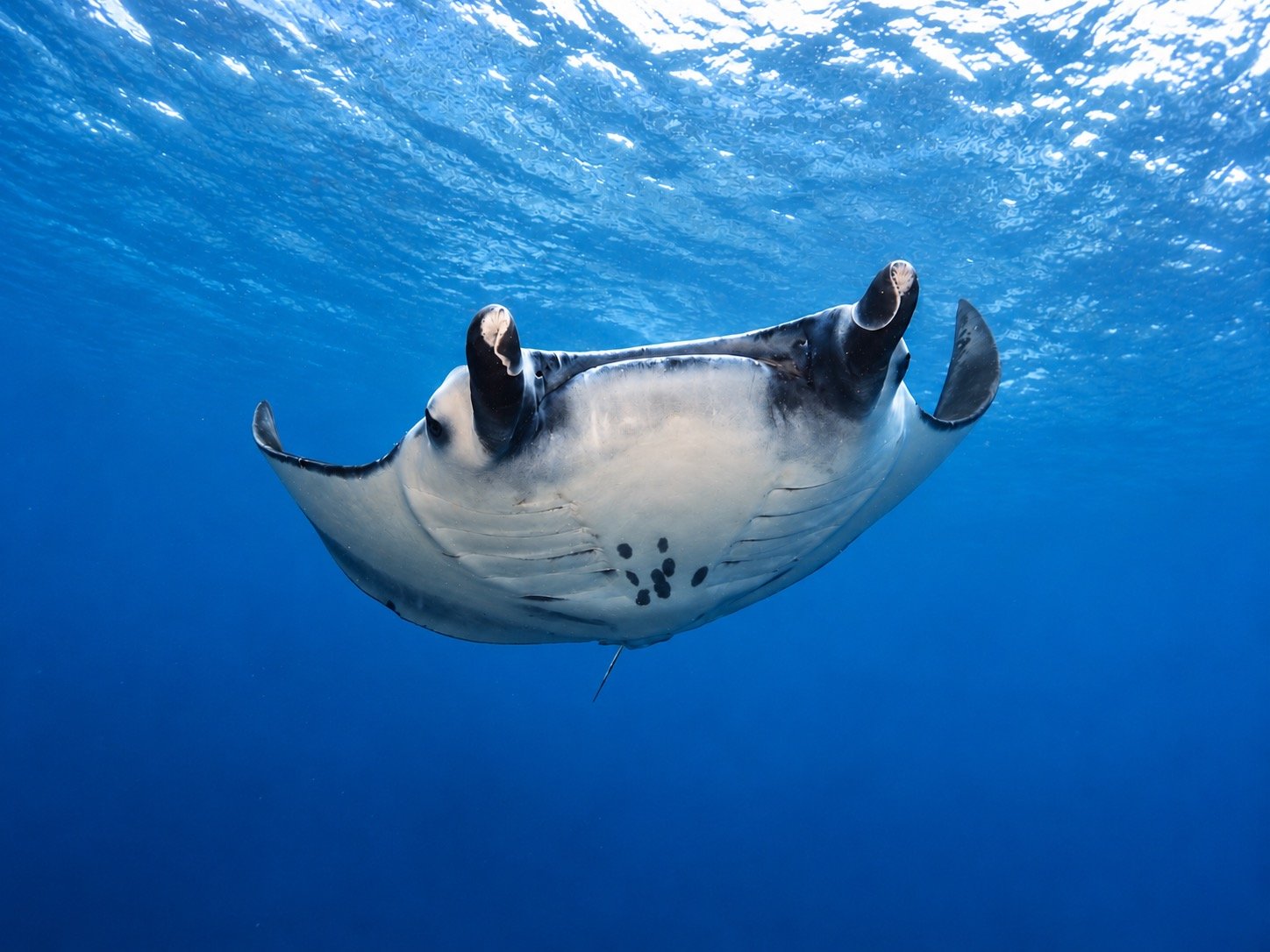
Diving Kakaban
Explore the diving around Kakaban, with the excitement of looking for sharks along the reef. It also adds another side to our island diving adventure.
Explore KakabanYour questions about diving Sangalaki
Where is Sangalaki?
Sangalaki is one of the Derawan Islands in East Kalimantan, Indonesian Borneo. We visit it as part of our wider Borneo island holiday, alongside Maratua and Kakaban. It offers both an underwater experience and time ashore at the turtle sanctuary.
How likely are we to see turtle hatchlings?
We have seen hatchlings on every trip so far. With hundreds of nests, our experience suggests a very high chance of seeing baby turtles. The exact timing remains natural, and staff guide what we can observe during our visit.
Why do staff move turtle eggs?
Staff can relocate eggs to a protected sandy hatchery area after the mother returns to the sea. This helps protect them from threats such as monitor lizards. The team then watches over the nests and manages the hatchlings’ release.
Is diving Sangalaki suitable for my experience?
Tell us your qualification, recent diving and confidence in the water. We will discuss the whole Borneo programme with you, rather than judge suitability from one island alone. That conversation helps us plan a holiday you can enjoy.
Can a Sangalaki diving trip support turtle conservation?
Yes. When the nests hatch, we help collect the hatchlings into baskets under the sanctuary team’s guidance. We can also ask what other support is useful at the time. Our involvement follows their work and the turtles’ needs.
Are these your own Sangalaki photographs?
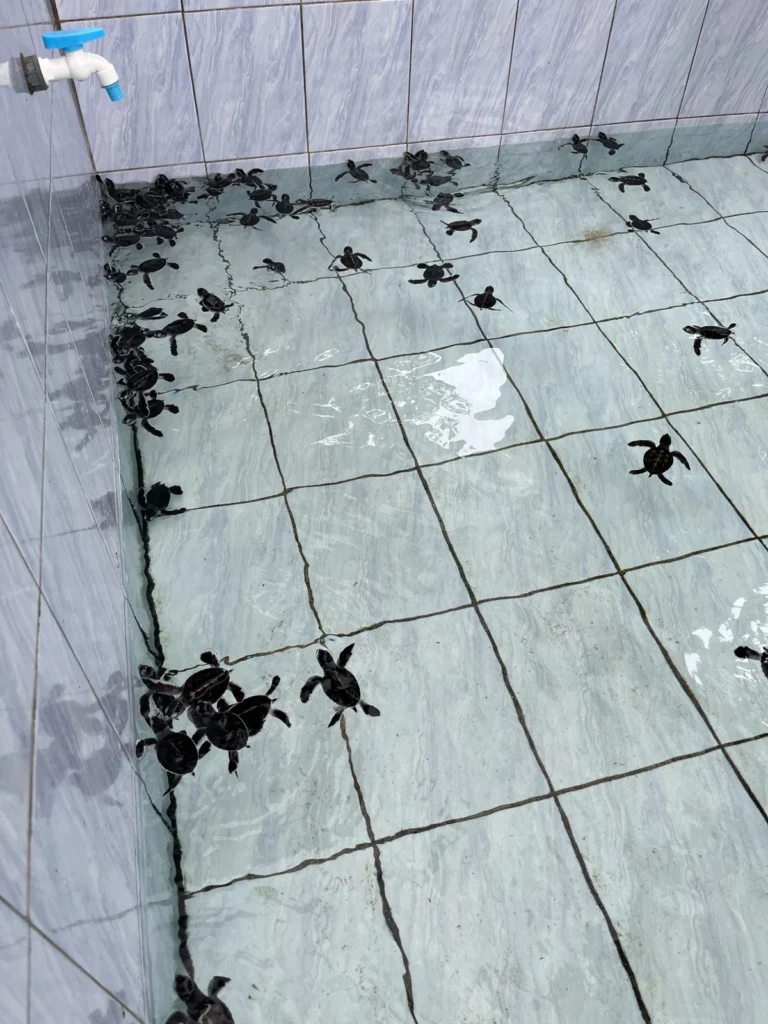
Yes. All five photographs come from our 2025 trip with our divers. They show the beach, hatchlings and our visit to the conservation centre. They are real memories from the experience we want to share with you.
Come and experience Sangalaki with us
If you would love to see baby turtles and explore Borneo’s island reefs, I would be delighted to help you plan the trip. Tell me your possible dates, your diving experience and what you most want to see.